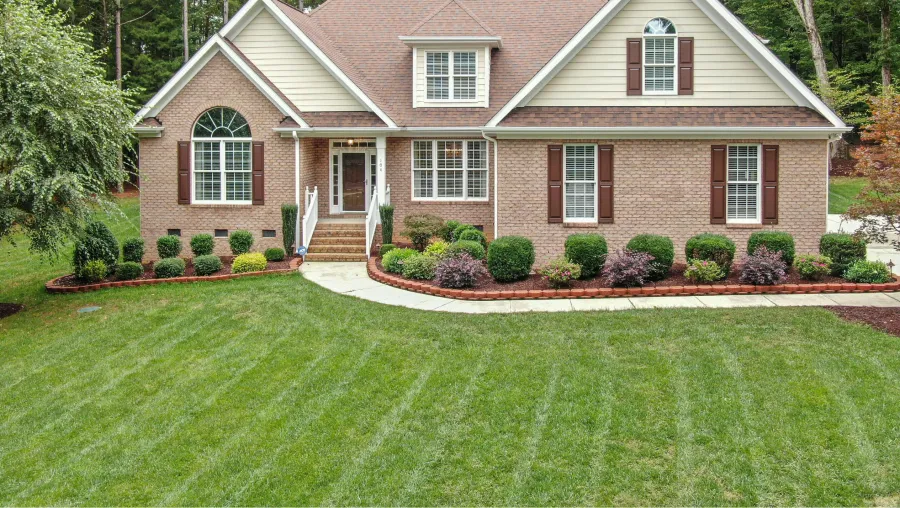
Evaluating Your Property’s Natural Assets and Challenges
Every successful outdoor transformation begins with an honest assessment of what you already have. Before selecting plants, planning hardscapes, or envisioning entertainment areas, take time to understand your property’s existing conditions. Walk your land during different times of day to observe sunlight patterns, drainage after rain, and wind exposure. Note which areas stay consistently damp and which dry out quickly during hot months.
Trees represent some of your property’s most valuable assets, but they can also present challenges that affect your entire design. Mature trees provide irreplaceable shade and visual interest, yet their root systems influence where you can install patios, their canopies determine what grows beneath them, and their health dictates whether they enhance or threaten your property. In Central Texas, the intense summer heat makes shade a premium feature. A well-placed oak or pecan can reduce cooling costs and create comfortable outdoor living spaces, but a declining tree with structural issues becomes a liability.
Soil composition varies significantly even within small properties. Clay-heavy soils common in the Bastrop area retain moisture but drain poorly, affecting plant selection and requiring amendments for many desired species. Sandy patches drain quickly but require more frequent watering and fertilization. Test your soil in multiple locations rather than assuming uniformity across your property.
Existing vegetation tells a story about your land. Native plants thriving without intervention indicate conditions that support similar species. Struggling ornamentals or invasive species crowding out desired plants signal that your current approach needs adjustment. Dead or dying trees may indicate disease, pest infestation, or root damage that could affect nearby plantings.
Topography and grading determine water flow during storms. Low spots that collect standing water limit planting options and create maintenance headaches. Slopes offer drainage advantages but may require terracing or erosion control. Understanding these patterns prevents costly mistakes and helps you work with your land rather than against it.
Addressing Problem Trees Before They Undermine Your Vision
Many homeowners delay addressing problematic trees, hoping conditions will improve or that the tree will somehow become less intrusive. This approach typically backfalls. Trees with structural defects, disease, or poor placement create escalating problems that become more expensive and disruptive to resolve over time. Recognizing when a tree serves your landscape goals and when it impedes them is critical to successful outdoor design.
Structural issues manifest in multiple ways. Co-dominant stems create weak attachments that split during storms. Large dead branches over structures or gathering areas present obvious hazards. Root systems that heave sidewalks, crack foundations, or invade septic systems cause damage that worsens annually. Leaning trees that have shifted from their original position often have compromised root stability. While some conditions can be managed through selective pruning, others require removal to protect your property and create space for your vision.
Disease and pest infestation spread from tree to tree. Oak wilt moves through root grafts between trees, killing valuable specimens. Bark beetles target stressed trees and can devastate entire stands. Fungal infections weaken structural integrity invisibly until failure occurs. When disease threatens to spread to healthy trees or when treatment costs exceed replacement value, removal becomes the responsible choice.
Poorly located trees create ongoing maintenance burdens and design limitations. A tree planted too close to your home drops leaves in gutters, threatens the roof during storms, and blocks natural light. Messy species near pools or entertaining areas require constant cleanup. Trees with aggressive root systems buckle pavement and outcompete nearby plantings. Fast-growing species planted for quick impact often become oversized problems within years.
The decision to remove a tree feels significant, and it should be made thoughtfully. However, removing a problem tree often improves your property immediately and dramatically. The new sunlight allows lawn grass to thrive where it previously struggled. Space opens for landscape beds, hardscapes, or structures that serve your actual needs. Hazards disappear, reducing anxiety and liability. Most importantly, you gain control over your outdoor space rather than working around inherited problems.
Professional tree removal eliminates problems cleanly and safely. Services including tree trimming and pruning can sometimes salvage valuable specimens through corrective work, while complete removal and stump grinding erase all traces of problem trees and prevent regrowth. This creates a blank canvas for your landscape vision.
Planning Your Outdoor Transformation with Realistic Expectations
Outdoor transformations happen in phases, not overnight. Understanding realistic timelines and sequencing prevents frustration and helps you allocate resources effectively. The most successful projects begin with foundational work that addresses problems and prepares the site, then layer in aesthetic and functional elements as budget and time allow.
Site preparation comes first. This includes removing unwanted trees and vegetation, grading for proper drainage, amending soil, and installing irrigation systems. Many homeowners want to skip directly to the attractive elements like plantings and patios, but neglecting this groundwork guarantees future problems. Tree stumps left in the ground prevent construction and continue sending up shoots. Poor drainage undermines hardscapes and drowns plantings. Inadequate soil preparation dooms plants to struggle regardless of care.
Hardscaping follows site preparation. Patios, walkways, retaining walls, and outdoor structures require heavy equipment and create disruption. Completing these elements before final plantings prevents damage to established landscape beds. Hardscaping also defines spaces and circulation patterns that inform where plantings should go. The relationship between hard and soft elements creates the structure of your outdoor rooms.
Planting comes in stages based on plant size and growth rates. Large shade trees establish focal points and provide the long-term structure of your landscape, but they need years to reach mature size. Installing these first, even while other areas remain unfinished, gives them time to grow. Smaller ornamentals and perennials fill in more quickly but should wait until you finalize bed locations and layouts. Lawn installation or renovation typically happens last to avoid damage from construction traffic.
Seasonal timing matters significantly in Central Texas. Fall planting allows trees and shrubs to establish root systems during mild weather before facing summer heat stress. Spring offers good conditions but gives plants less time to prepare for intense summer. Summer planting requires intensive watering and monitoring. Winter limits planting options but works well for hardscaping projects. Planning around these patterns improves success rates and reduces maintenance demands.
Budget realities influence every decision. Prioritize elements that solve problems, provide structure, and deliver immediate impact. A well-executed phase that addresses your highest priorities and reaches completion provides more satisfaction than a poorly funded attempt to do everything at once. Many successful landscapes develop over three to five years as homeowners complete phases, observe how spaces function, and refine their vision based on experience.
Working with qualified professionals accelerates the process and improves outcomes. Tasks like tree removal, stump grinding, and structural pruning require specialized equipment and training. Attempting these as DIY projects risks property damage, personal injury, and poor results that create additional problems. Professional work gets completed quickly, safely, and correctly, allowing you to move forward with confidence.
Adapting Your Design to Central Texas Conditions
Central Texas presents specific challenges that generic landscape advice ignores. The combination of alkaline soil, intense summer heat, periodic drought, and dramatic temperature swings eliminates many plants that thrive elsewhere. Successful landscapes in the Bastrop area and surrounding communities work with these conditions rather than fighting them constantly.
Summer heat dominates design decisions. Afternoon temperatures regularly exceed 100 degrees from June through September. Full-sun areas become inhospitable to many ornamentals and uncomfortable for people. Strategic use of existing shade trees or planting new ones for future shade determines where outdoor living spaces function during peak season. Western exposures receive the most punishing sun and require the toughest plants or hardscaping rather than delicate specimens. Morning sun with afternoon shade provides ideal conditions for a wider range of plants.
Water availability fluctuates dramatically between wet springs and dry summers. Plants must either tolerate extended dry periods or require irrigation systems that deliver consistent moisture. Native and adapted species evolved to handle these swings and generally need supplemental water only during establishment and extreme drought. Non-adapted plants demand regular irrigation, increasing costs and maintenance while risking loss during water restrictions or system failures.
Soil pH in this region typically runs alkaline, which limits availability of certain nutrients and eliminates acid-loving plants like azaleas and blueberries unless you create specialized amended beds. Most natives and adapted species tolerate or prefer these conditions. Understanding your soil’s characteristics guides plant selection and indicates where amendments provide value versus where you should simply choose appropriate plants.
Tree selection determines your landscape’s long-term character. Live oak, cedar elm, and Texas red oak provide durable shade and adapt well to local conditions. Fast-growing species like Arizona ash offer quick results but often develop structural problems and have shorter lifespans. Some popular landscape trees planted in previous decades, like Bradford pear, have proven poorly adapted and create ongoing problems. Removing failed tree selections and replacing them with proven performers improves your property immediately and reduces future maintenance.
Native understory plants provide beauty with minimal input. Texas sage, cenizo, flame acanthus, and native salvias bloom reliably with little care. Native grasses add texture and movement while tolerating heat and drought. These plants support local wildlife, require no fertilizer, and survive neglect that would kill conventional landscape plants. Incorporating them into your design reduces maintenance demands while creating a landscape that looks appropriate to its place.
Turfgrass selection matters more than many realize. Bermudagrass tolerates heat and traffic but goes dormant and brown in winter. St. Augustine provides year-round color but requires more water and struggles in full sun. Zoysia offers a middle ground but establishes slowly. Matching grass type to sun exposure, intended use, and maintenance willingness prevents ongoing frustration.
Working with Qualified Professionals for Lasting Results
The difference between adequate and outstanding outdoor spaces often comes down to execution quality. Design ideas mean little if implementation is sloppy, incomplete, or technically flawed. Working with qualified professionals for specialized tasks ensures your vision translates into reality without the costly mistakes and safety risks that plague amateur attempts at complex work.
Tree work demands specific expertise and equipment that most property owners lack. Removing large trees near structures requires rigging systems, climbing skills, and understanding of tree mechanics to prevent property damage. Felling trees in open areas appears simple but goes wrong regularly, causing injury and destruction. Stump grinding involves powerful specialized equipment that removes stumps below ground level, allowing you to plant or build where the tree stood. Attempting this work yourself or hiring unqualified help creates liability and often produces poor results that professionals must later correct at additional cost.
Proper pruning techniques determine whether trees thrive or decline. Topping trees, making flush cuts, or removing too much canopy at once stresses trees and creates entry points for disease and pests. Qualified professionals understand species-specific pruning needs, seasonal timing, and techniques that promote health and structure. Poor pruning cannot be undone; the tree lives with those decisions for decades or dies from the damage.
Customer service and honesty separate quality providers from those seeking quick profits. Reliable professionals arrive on schedule, communicate clearly about scope and costs, and stand behind their work. They assess your situation accurately rather than selling unnecessary services, and they tell you when DIY approaches make sense for simple tasks. They focus on doing the job right rather than simply getting it done fast.
Quality work costs more initially but delivers better value long-term. Proper tree removal eliminates the entire problem, including stump grinding that prevents regrowth and allows immediate use of the space. Skilled pruning promotes tree health and structure, reducing future problems and extending tree life. Professional site preparation creates stable foundations for hardscaping and optimal conditions for plantings. These investments pay returns for years through better performance and fewer problems.
Local knowledge matters significantly in landscape work. Professionals working regularly in your area understand which trees thrive and which struggle, how soil conditions vary, what pests and diseases cause local problems, and how seasonal weather patterns affect work timing. This experiential knowledge prevents expensive mistakes and speeds project completion.
The relationship between tree care and overall landscape success often goes unrecognized until problems develop. Declining trees drop debris, create hazards, and undermine surrounding plantings. Overgrown trees shade out lawns and ornamentals. Poor pruning creates ugly specimens that dominate views. Addressing tree issues professionally allows your broader landscape vision to succeed.
For property owners in the Bastrop area and surrounding communities looking to transform outdoor spaces, starting with a clear assessment and addressing tree issues establishes the foundation for success. Quality tree removal, stump grinding, and pruning services clear obstacles and create opportunities for the landscape you envision. At 1-2 Tree Guys LLC, quality work and customer satisfaction guide every project. Taking the first step is simple: call 5125456140 for an estimate, and discover how professional tree care unlocks your property’s potential.